Youth Sports
Online vs. In-Person Youth Training Programs: Which Delivers Better Results?
Online vs. In-Person Youth Training Programs: Which Delivers Better Results?
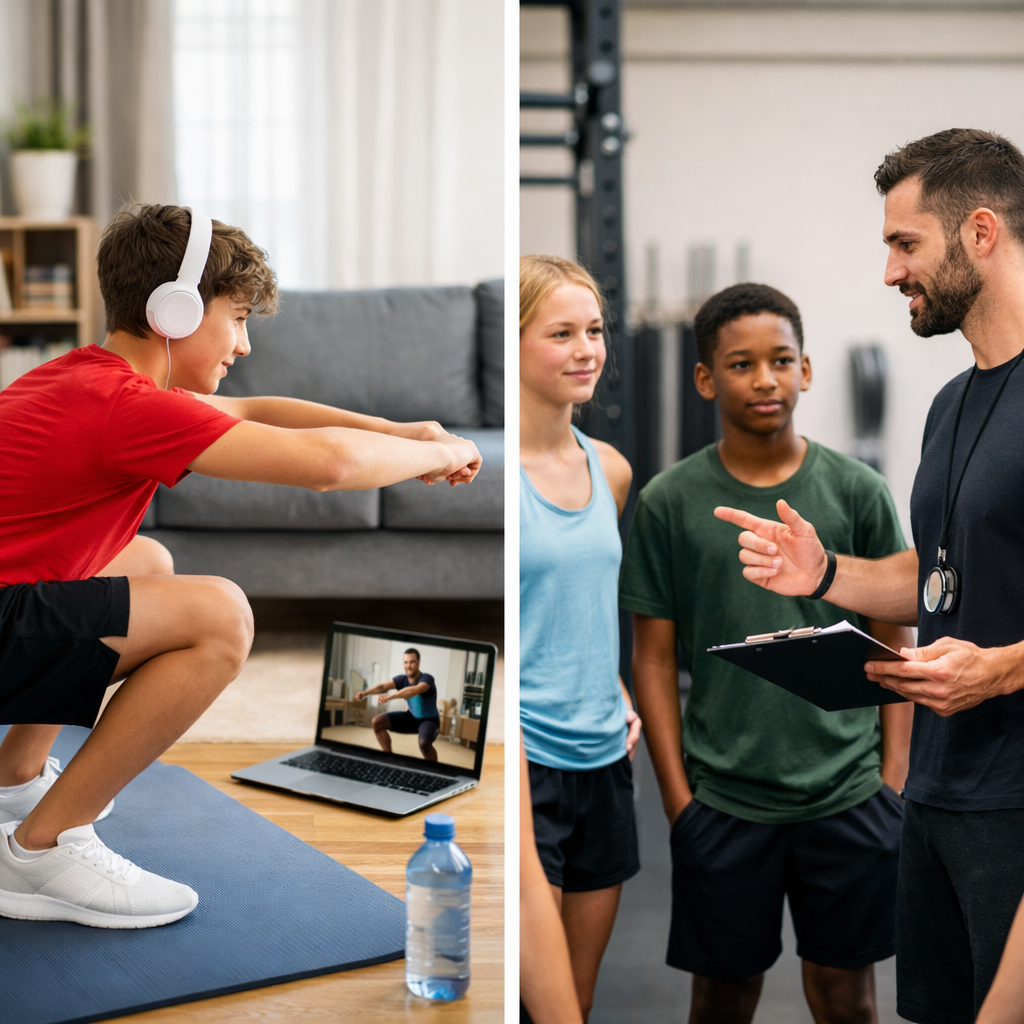
A clear winner depends on age, goals, and the quality of coaching. For most youth athletes, in-person training delivers faster gains in movement quality, speed mechanics, and safe strength progression—especially in grades 3–8—because real-time, hands-on feedback matters. Online options shine for consistency, homework reps, and access when you can’t get to a facility. The strongest path for performance is usually hybrid: in-person coaching for technique and progress checks, supported by tech-enabled, trackable at‑home sessions between visits. This reflects FitnessJudge’s stance from comparing youth systems and aligns with evidence that well-designed, supervised youth strength and conditioning improves strength, power, and motor skills safely, and should be tailored by maturation stage and sport demands, not just chronological age, as emphasized in the NSCA position statement on youth resistance training and the American Academy of Pediatrics.
Best Youth Athlete Training Programs of 2026, Backed by Certified Coaches
Best Youth Athlete Training Programs of 2026, Backed by Certified Coaches
Strategic Overview
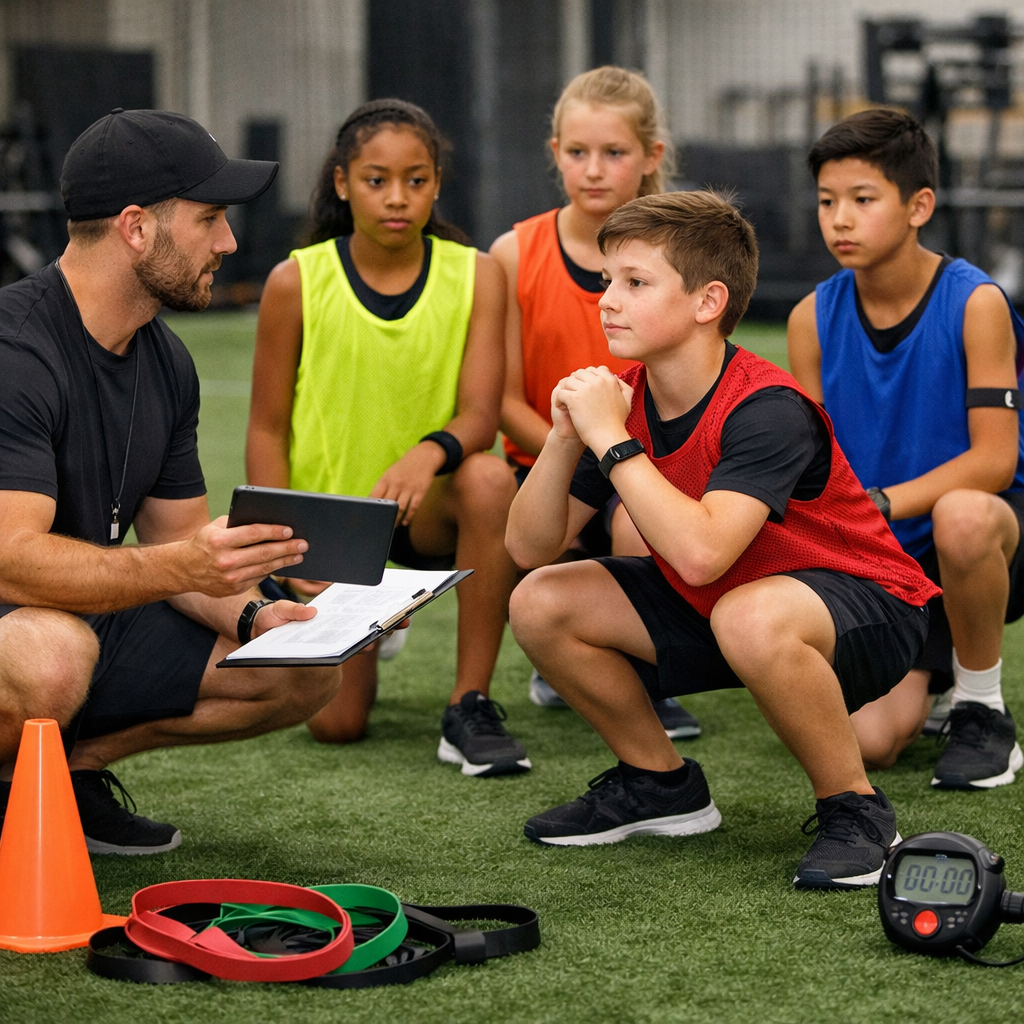
Parents, teen athletes, and school or club coaches come here first for the best youth athlete training programs in 2026. Our picks balance certified coaching with connected tech—hardware plus software, sensors, AI coaching, wearable integration, and performance tracking—so young athletes can train safely at home or alongside team sessions and still see measurable progress. Long-Term Athlete Development (LTAD) is the backbone: a framework that sequences training, recovery, and competition to match growth and maturation. It prioritizes broad skills in early years, progressive strength later, delayed sport-specific training, and scheduled rest to curb overuse and burnout.