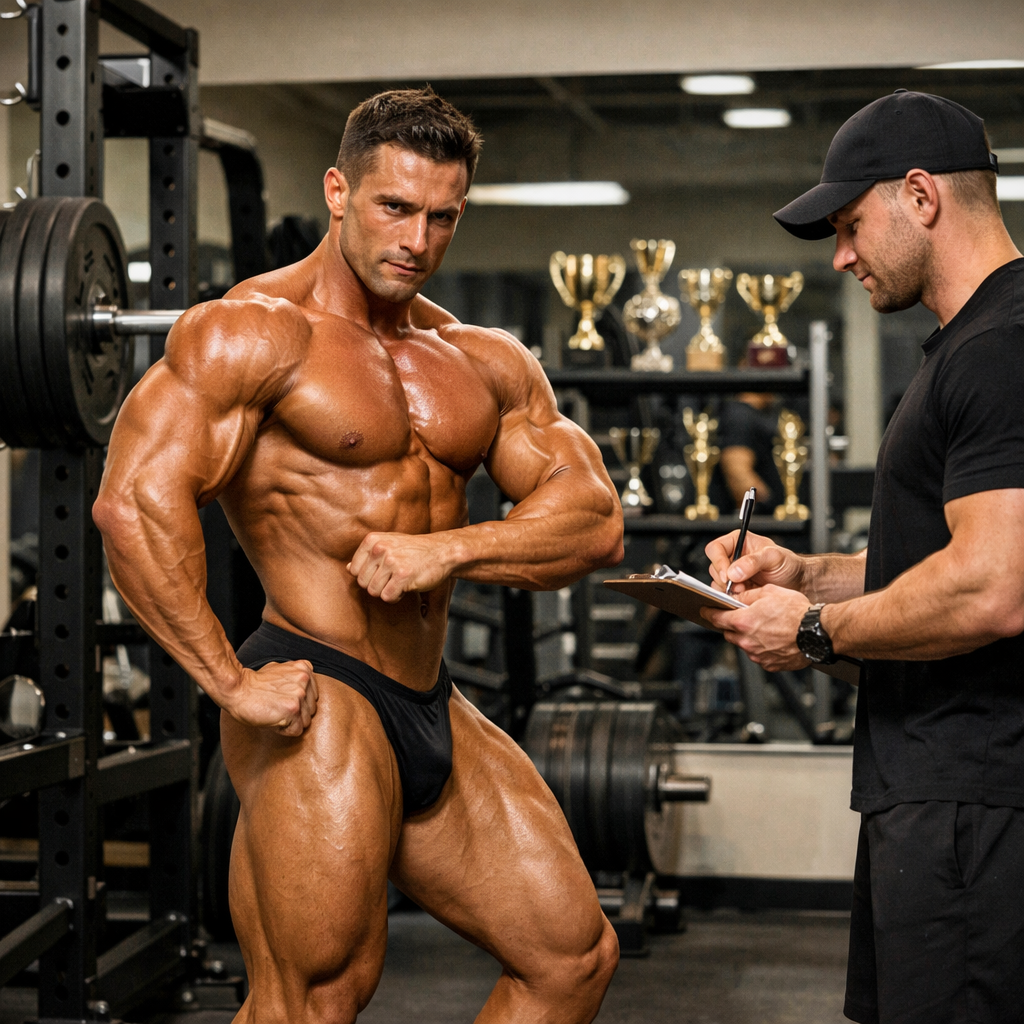
Join the Right Strength Gym for Confident, Stage-Ready Bodybuilding Results
Join the Right Strength Gym for Confident, Stage-Ready Bodybuilding Results
The fastest way to look and perform like a competitor is to train where the environment is built for it. To find a health club for competitive bodybuilding with specialized coaching, prioritize heavy free weights, multiple power racks and platforms, plate‑loaded machines per movement pattern, a legit posing setup, and coaches who program your hypertrophy blocks through peak week. Visit at peak and off‑peak, test cable attachment compatibility, and confirm you can take long rests without pressure. This FitnessJudge guide walks you through a compatibility‑driven checklist, trial‑visit workflow, and coaching criteria so you can join a competitive bodybuilding gym that keeps you progressing confidently to the stage.
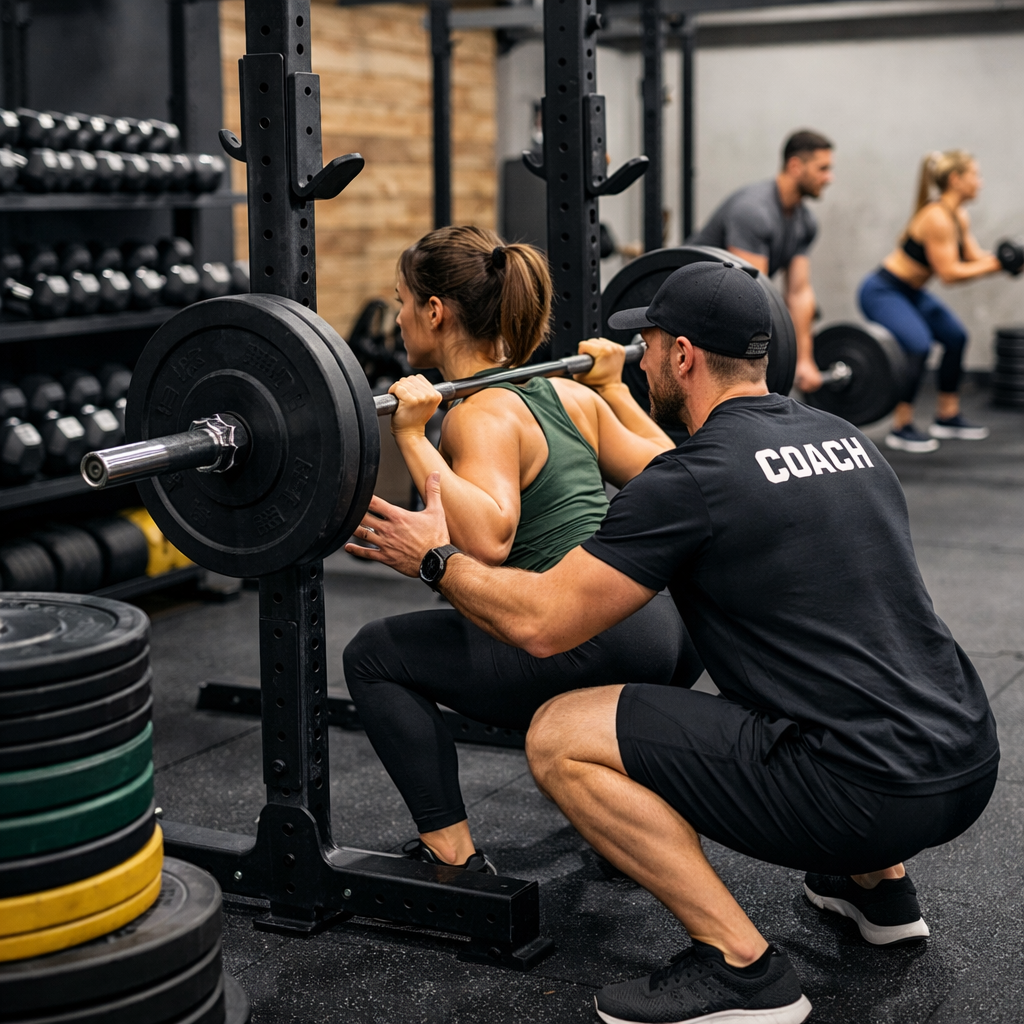
Join Local Fitness Clubs With Racks, Free Weights, and Coaching
Join Local Fitness Clubs With Racks, Free Weights, and Coaching
Looking for the best strength training gym near me with free weights and coaching? This guide shows how to find powerlifting‑friendly clubs with racks, platforms, and credible coaching—and how to compare pricing and terms without surprises. We’ll help you set clear goals, audit equipment and coaching standards, and pressure‑test options with a short trial so you can join a strength-focused club that delivers results and long‑term value. The FitnessJudge approach is simple: compare like for like, then test before you commit.
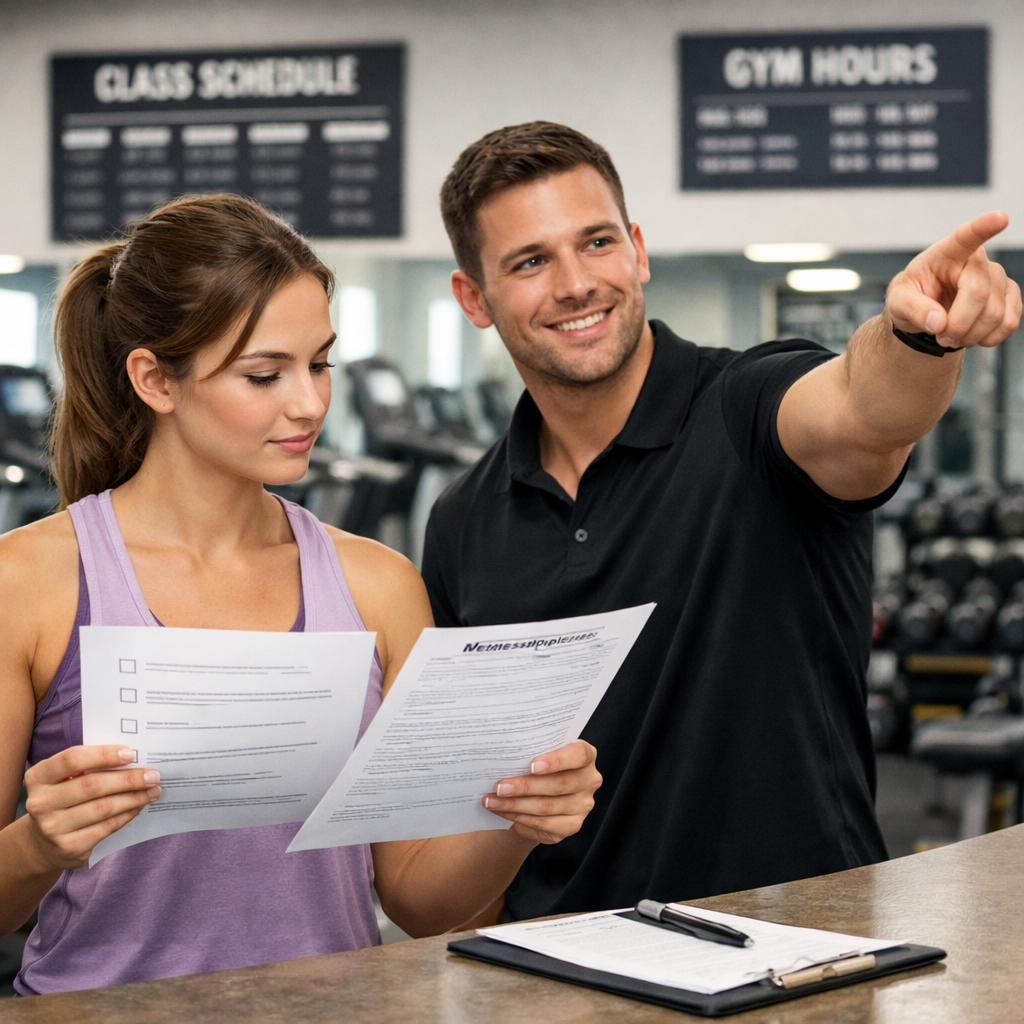
Nine Factors Beginners Should Check Before Signing Any Gym Membership
Nine Factors Beginners Should Check Before Signing Any Gym Membership
Choosing the best gym membership for beginner weightlifters isn’t about the fanciest amenities—it’s about long-term use, safety, and value. Prices range widely from true budget gyms to luxury clubs, roughly $10–$350+ per month depending on features and brand, so it pays to compare before you commit see this market comparison from GymMembershipTips. Start by clarifying your goal (learn lifts, get stronger, build a routine), then evaluate the nine factors below to find a gym that supports that plan without hidden costs or friction. “Beginner weightlifter” = someone with less than 12 months of consistent strength training who is learning movement patterns, starting progressive overload, and prioritizing safety, form, and habit-building.
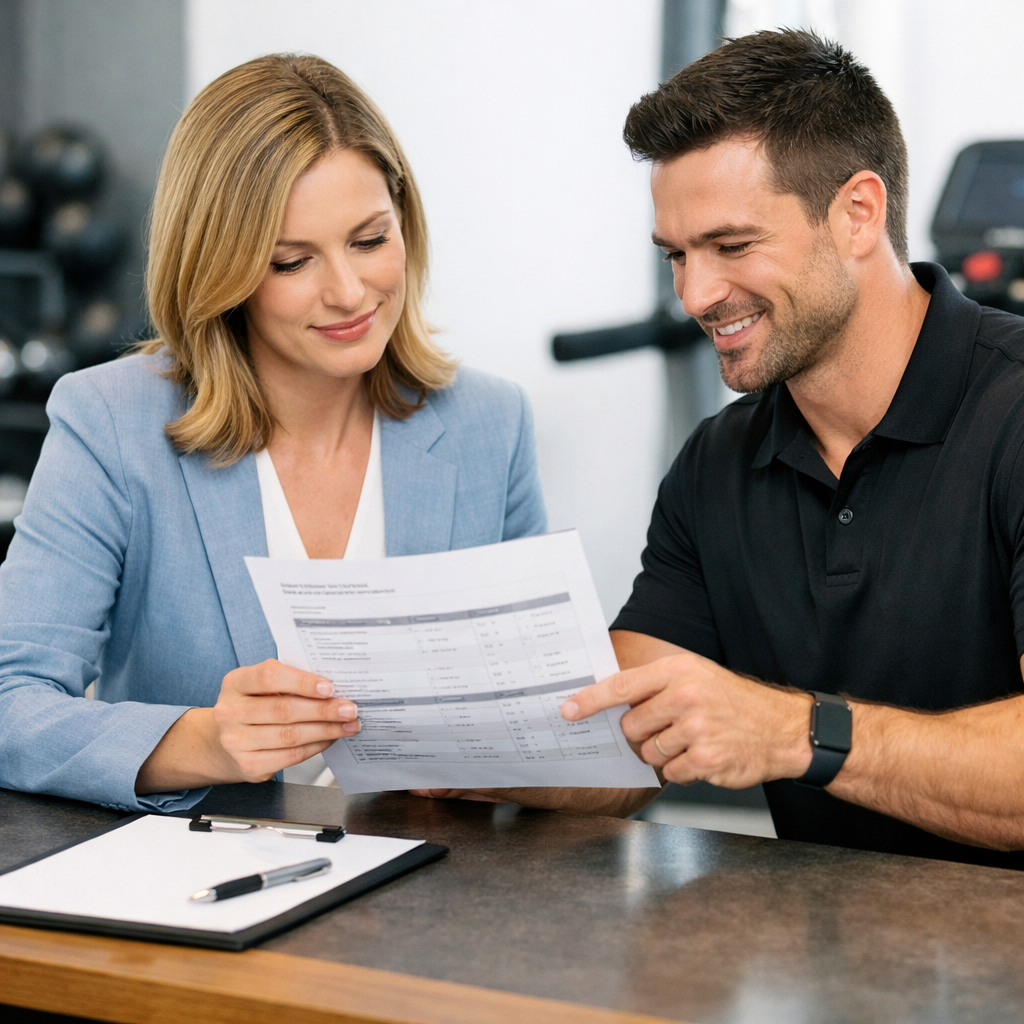
Negotiate Better Corporate Fitness Rates With Local Fitness Clubs: Practical Steps
Negotiate Better Corporate Fitness Rates With Local Fitness Clubs: Practical Steps
Securing better corporate fitness rates with a “fitness club near me” starts with preparation: know your local options, define clear goals, and present a data‑driven case. In practice, you’ll compare direct deals with nearby gyms and studios against aggregator platforms, choose a pricing model that fits how your teams actually work out, and run a short pilot with clean reporting. This guide shows employers and facilities how to move from interest to signed agreements—fast. You’ll learn how to target corporate wellness providers near me, set SMART participation targets, and avoid equipment mismatches for onsite spaces. By aligning employee needs, accessibility, and utilization‑based billing, you can negotiate local corporate gym discounts that are simple to adopt, easy to measure, and built to scale.
Wearables vs Connected Equipment: Which Tracks Home Workouts More Reliably?
Wearables vs Connected Equipment: Which Tracks Home Workouts More Reliably?
Home workouts are only as effective as the feedback you get from your devices. The short answer: connected equipment is usually more reliable for mechanical metrics like belt speed, cadence, and power; wearables win for portability, all‑day trends, and multi‑modality tracking. The best choice depends on your goal, space, and how you train. Research surveying sport sensors shows machine-measured outputs avoid many motion artifacts that trip up wrist-based algorithms, while body-worn devices excel at continuous physiological monitoring and outdoor contexts (GNSS/GPS) Frontiers in Physiology review of sport sensors. Below, FitnessJudge maps clear, testable criteria—accuracy, uptime, data integration, and total cost—to help you choose a reliable primary “base” (wearable or connected machine), then add accessories like chest straps only if they materially improve your results.
What Certified Coaches Look For in Squat Racks and Equipment Quality
What Certified Coaches Look For in Squat Racks and Equipment Quality
Choosing a health club—or building a training base—starts with the rack. Certified coaches evaluate squat racks for safety, structural quality, and long-term compatibility, then judge whether the setup aligns with members’ goals and the room’s constraints. In practice, that means prioritizing steel gauge, weight ratings, safeties and spotter arms, attachment ecosystems, anchoring options, and reliable brand support. FitnessJudge takes a systems view: select the right base, verify compatibility, and grow intelligently. You’ll find clear decision frameworks, a concise squat rack buying guide, and practical checklists to avoid costly missteps and non-compatible purchases. Get the rack right, and the rest of the program—strength, hypertrophy, conditioning, or small-space solutions—falls into place.
2026 Guide to Cheap Personal Training Packages Near Me
2026 Guide to Cheap Personal Training Packages Near Me
Finding discounted personal training sessions near me shouldn’t mean compromising on coaching quality. The best deals come from matching the right format—one-on-one, semi-private, small group, or online/hybrid—to your goals, schedule, and space. Community centers and clubs often run bundle pricing that lowers the per‑session rate, while hybrid coaching uses apps and occasional in‑person tune-ups to keep costs down without losing accountability. This FitnessJudge guide walks you through setting a goal, comparing local and online value, pressure-testing terms, and tracking results so your money buys measurable progress. Use the checklists and mini-tables to compare per-session costs, 4/8/12-pack discounts, and formats. Start small, verify fit, and scale only when the coaching delivers.
How to Compare Per-Session vs Monthly Personal Training Pricing
How to Compare Per-Session vs Monthly Personal Training Pricing
Choosing between paying per session or committing to a monthly training plan comes down to more than sticker price. The smart move: define your goals and training frequency, translate any monthly plan into an effective per-session cost, and compare inclusions and policies side by side. This guide shows the exact math, realistic price benchmarks, and how formats (1:1, small-group, online, hybrid) change value. Expect in-person personal trainer rates to range widely by market and experience; monthly personal training packages typically bundle ongoing support that can lower your effective rate and improve consistency. At FitnessJudge, we normalize every option to an effective per-session rate so you can compare like for like.
Recovery-Focused Gyms Near Me: Sauna, Steam, and Foam Rolling
Recovery-Focused Gyms Near Me: Sauna, Steam, and Foam Rolling
Looking for recovery-focused gyms near me with sauna and steam room? The fastest way to narrow your options is to target fitness clubs that list heat rooms and foam rolling zones as standard amenities, not upsells. Below, FitnessJudge breaks down what to expect from recovery-first clubs, how traditional vs infrared sauna differ, the value of steam and self-myofascial release, and a simple process to compare access, hygiene, and costs. You’ll also get scheduling tips and a home-gym blend so you can use recovery consistently—without appointments, long lines, or guesswork.
Best Space-Saving Cardio Machines 2026: Foldable Options That Actually Fit
Best Space-Saving Cardio Machines 2026: Foldable Options That Actually Fit
If you’re outfitting a small apartment, the best space-saving foldable cardio machines balance a compact in-use footprint with a storage posture that truly disappears when you’re done. Bikes and rowers generally deliver the most training per square foot, while walking pads excel at daily, low-impact steps and slide under furniture. Many folding treadmills store upright to reclaim floor space, and some compact ellipticals use vertical, stair-climber–style designs to cut depth. Below, we break down six picks that actually fit—and how to choose the right category for your home based on folded footprint, portability, noise, and goals, with clear notes on subscriptions and app compatibility. For criteria and at-a-glance comparisons, FitnessJudge prioritizes small-footprint, apartment-friendly cardio that runs quiet and moves easily.