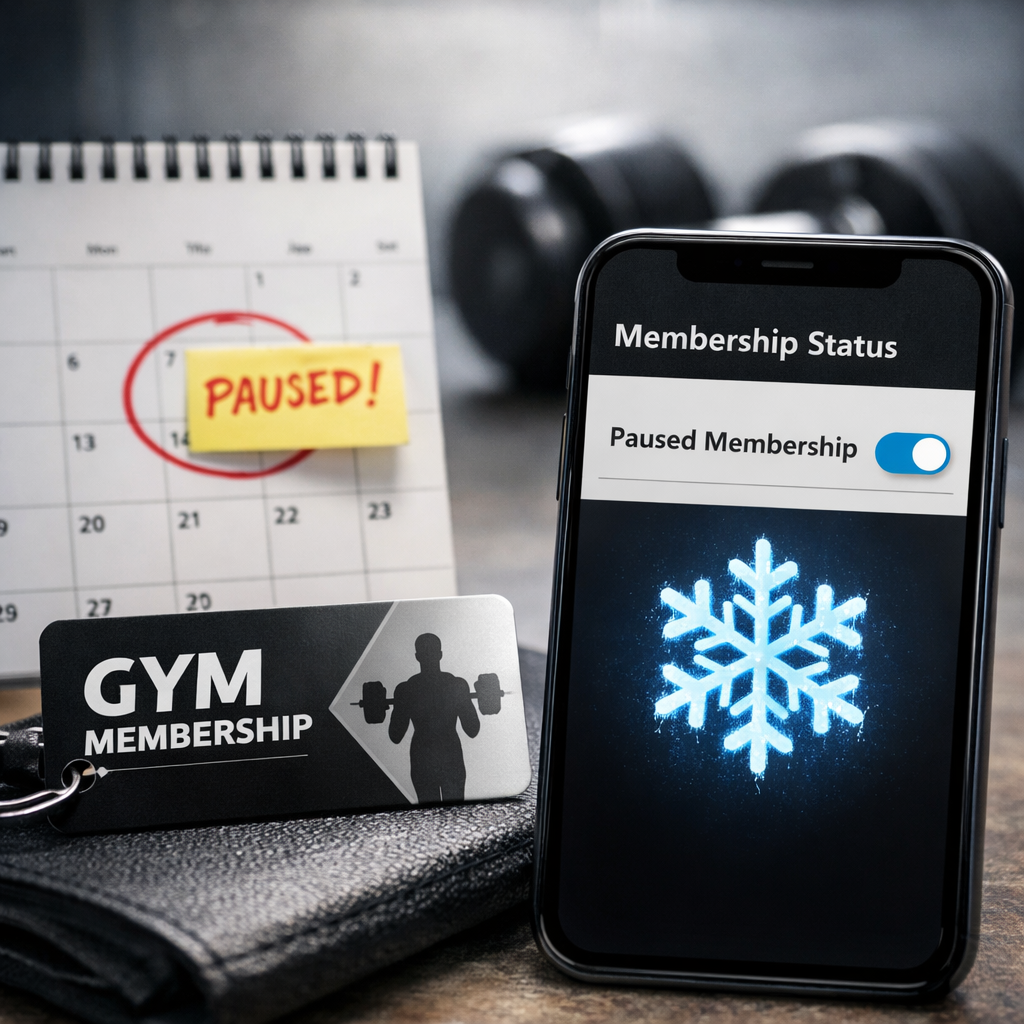
Which Gym Memberships Let You Freeze or Pause Most Easily?
Taking a break from the gym shouldn’t punish your wallet—or your future rate. Most national chains allow some form of pause, but the “ease” varies by club and contract. At FitnessJudge, we find the easiest plans to freeze share three traits: low or nominal hold fees, clear 1–3 month limits (with medical waivers), and self-service tools that let you freeze/unfreeze without a trip to the front desk—features widely recommended in retention best practices. Member reports show typical freezes can cost far less than full dues (e.g., $10 vs. $30/month) while preserving your locked-in rate for later use, and some brands maintain limited digital perks during a hold. Below, we explain how freezing works, the criteria that predict a painless pause, and what to expect at Planet Fitness, LA Fitness, 24 Hour Fitness, Gold’s Gym, and the YMCA.
How freezing works and what to expect
A gym membership freeze (also called a pause or hold) temporarily suspends full access and normal billing while keeping your contract and current rate intact. You usually pay a reduced freeze fee and face time limits. It’s a middle ground for short-term life events—travel, surgery, busy season—without canceling.
What you typically keep and lose:
- Rate protection: Many clubs preserve your current rate during a freeze, which matters if prices rise later, per member reports and policy summaries.
- Limited perks: Some brands keep access to on-demand or recorded classes while live sessions and facility access are paused, according to member reports on freeze vs. cancel experiences.
Costs and limits to expect:
- Nominal fees: A frequently cited benchmark is LA Fitness at $10 per frozen month vs. $30 in full dues, illustrating meaningful savings while preserving your spot (member reports).
- Duration: Holds are commonly granted for a few months at a time, and medical freezes are often free with documentation (member reports on real-world freeze terms: member reports).
Administrative factors that affect ease:
- Favor clubs with app or online self-service for both freezing and reactivation—operators highlight self-service and automated reminders as best practices that reduce friction (see retention best practices from Train Your Pulse and practical guidance from Xplor Gym). FitnessJudge scores clubs higher for clear self-service and proactive notifications.
FitnessJudge methodology for evaluating freeze policies
We benchmark freeze “ease” using a four-part method:
- Goal definition: How long do you need off? What perks—if any—still matter?
- Value comparison: Compare your local club to lower-cost digital options during the pause.
- Contract pressure-testing: Read the written terms for fees, limits, notifications, and buyouts.
- Results tracking: Log your freeze dates, reactivation timeline, and whether reminders landed.
For the freeze-specific audit, collect:
- Freeze fee, maximum length per request, annual cap (months/requests), medical freeze rules, perks retained (e.g., on-demand classes), and whether freeze/unfreeze is self-service (drawn from operator playbooks like GymMaster’s hold policy best practices and Train Your Pulse’s retention guidance).
Use a simple 1–5 rubric on:
- Cost vs. average dues, digital self-service availability, notification practices (reminders before holds end reduce surprise charges), and clarity of terms (summarized in GymMaster’s best practices). FitnessJudge’s rubric favors low fees, transparent caps, and app-based controls.
Criteria that define an easy freeze
Signals of a low-friction, low-cost pause:
- Low freeze fee relative to dues: Ideal is single-digit dollars or nominal; for context, U.S. gym dues average about $65 per month (see national price context from TrueMed’s gym membership price data).
- Reasonable hold window: 1–3 months per request with clear annual caps.
- Digital self-service: Freeze and unfreeze in-app/online; automated reminders near the end date.
- Consumer protections: Medical freezes with waived fees when documented; some clubs maintain light perks (like on-demand content) to keep you engaged.
Freeze policy checklist (what “good” looks like)
| Field | Ideal Target |
|---|---|
| Freeze fee | Nominal (e.g., $5–$15/month) vs. your dues |
| Max months per request | 1–3 months |
| Annual cap | Clear, reasonable cap on months or requests |
| Medical waiver | Fees waived with documentation |
| Self-service | App/online freeze and unfreeze |
| Perks retained | On-demand content or minimal digital benefits |
| Notifications | Email/app reminders before reactivation |
(Standards informed by operator playbooks from Train Your Pulse, Xplor Gym, and GymMaster.)
Planet Fitness
Typical monthly dues are roughly $15–$20, so even modest freeze fees can be meaningful against the base price (see typical dues ranges in TrueMed’s price data). Administrative rules vary by location and contract; as a proxy for how holds may be handled, many locations require in-person or written mail for cancellations and cite a $58 buyout for early termination on minimum-term plans—details that signal the need to confirm hold logistics up front (cancellation at popular chains). Ask your club:
- Is a Planet Fitness freeze available on my plan? What’s the fee and max length?
- Are requests in-app/online or in-person only?
- If I later cancel, do minimum terms or buyouts apply? FitnessJudge recommends getting the freeze policy and any fees in writing at sign-up.
Secondary keywords: Planet Fitness freeze, Planet Fitness pause policy, Planet Fitness cancellation rules.
LA Fitness
LA Fitness provides a useful benchmark for a paid hold: many members report a $10/month freeze compared with ~$30 in normal dues, which preserves your existing rate and cuts near-term costs (see aggregated member reports). Holds are commonly granted for a few months; medical freezes are often free with documentation. To avoid surprise charges, verify whether you can self-serve the freeze/unfreeze and whether reminders are sent before your hold expires, practices widely recommended in operator playbooks (GymMaster best practices, Train Your Pulse). FitnessJudge uses LA Fitness’s $10 hold as a baseline for comparing hold value across clubs.
Secondary keywords: LA Fitness freeze fee, hold membership LA Fitness, medical freeze LA Fitness.
24 Hour Fitness
Expect dues in the ballpark of $21–$50/month depending on your plan and access level, which frames how valuable a low freeze fee can be relative to dues (gym price context). At multi-club chains with different access tiers, plan level can influence what you regain access to once reactivated, so confirm specifics. Ask your club to spell out:
- Freeze fee, max months per request, and any annual cap.
- Whether holds and reactivations can be handled via app/online for lower friction (aligned with Xplor Gym’s cancellations & freezes guidance). FitnessJudge favors clubs that let you manage holds end-to-end in-app with clear reminders.
Secondary keywords: 24 Hour Fitness freeze, pause 24 Hour Fitness, self-service freeze.
Gold’s Gym
Gold’s often features higher-priced tiers and premium amenities, so the value of a freeze depends on the fee versus your dues and whether any digital perks are retained during the hold. Best-practice policies include medical freeze waivers with documentation and automated reminders before reactivation to minimize churn and complaints (hold policy best practices). If your hold fee is relatively high, consider pausing or switching to a short-term digital program until you’re ready to return (retention best practices). FitnessJudge weighs digital perk retention and notification practices heavily when comparing premium-tier holds.
Secondary keywords: Gold’s Gym freeze policy, hold membership Gold’s, pause fees Gold’s Gym.
YMCA
YMCA policies are locally governed. Many branches offer flexible, community-oriented exceptions—particularly for medical needs with documentation—though fees, duration, and caps vary by location. Confirm whether holds can be requested online and if any on-demand content access continues during your pause, practices encouraged by operators to maintain engagement (Xplor Gym guidance, Train Your Pulse). Medical holds without fees are commonly offered across clubs when properly documented (member reports and summaries; policy best practices). FitnessJudge recommends checking your specific branch’s written policy before you join or freeze.
Secondary keywords: YMCA freeze policy, YMCA membership hold, YMCA medical freeze.
Side-by-side comparison and key takeaways
| Brand | Typical Dues | Freeze Fee (if known) | Max Duration | Annual Cap | Medical Waiver | Self-Service/App | Perks Retained | Cancellation Gotchas |
|---|---|---|---|---|---|---|---|---|
| Planet Fitness | ~$15–$20/month (price context) | Varies by club | Varies | Varies | Varies | Location-dependent | Varies | Early-term buyout example ~$58; some locations require in-person/mail for admin (popular chains guide) |
| LA Fitness | Varies; compare to $65 U.S. average (price data) | Member-reported ~$10/month vs. ~$30 dues (member reports) | Commonly a few months | Ask club | Often waived with documentation | Confirm | Sometimes limited digital | — |
| 24 Hour Fitness | ~$21–$50/month (price context) | Varies | Varies | Varies | Often with documentation | Check app/online | Varies | — |
| Gold’s Gym | Varies; compare to $65 U.S. average (price data) | Varies | Varies | Varies | Often with documentation | Varies | Varies | — |
| YMCA | Varies by branch | Varies | Varies | Varies | Often waived with documentation | Increasingly available | Sometimes on-demand | — |
Key takeaways:
- Look for low freeze fees, 1–3 month windows, and clear annual caps.
- Medical freezes are frequently free with documentation.
- Digital self-service and end-of-hold reminders are major differentiators.
- Preserving your rate is a core advantage of freezing over canceling. FitnessJudge prioritizes low fees, written terms, and app-based controls when rating freeze “ease.”
How to verify and pressure-test a freeze policy before you join
Step-by-step script (FitnessJudge checklist):
- Ask for the written freeze policy: fee, max months per request, any annual cap, and required notice period.
- Confirm medical freeze terms: What proof is accepted and how long can a medical hold last?
- Ask if freeze and unfreeze can be done via app/online and whether reactivation notices are sent (recommended in operator playbooks; best practices).
- Verify whether any perks (e.g., on-demand content) continue during the freeze (see member experiences).
- Check cancellation rules and buyouts if you later switch from freeze to cancel (e.g., Planet Fitness’ early-term buyout and admin processes in popular chains guidance).
Red flags:
- In-person-only requests, unclear or unwritten fees, no reactivation notice, or high freeze fees approaching full dues.
Pro tip: Save PDFs or screenshots of the policy, your request, and freeze dates; set calendar reminders 7–10 days before reactivation.
When cancelling is smarter than freezing
Use this quick rubric (FitnessJudge rule of thumb):
- If the freeze fee exceeds ~30% of your dues for multiple months and you won’t use any perks, canceling and pivoting to lower-cost options can be cheaper (compare against the U.S. average ~$65/month for context from price data).
- If the club requires mail/in-person admin and has a track record of surprise charges, consider canceling if it won’t trigger excessive buyouts (see brand-specific cautions in popular chains guidance).
Freezing still matters when it preserves your rate or avoids re-enrollment/initiation fees—key reasons many members freeze instead of canceling, according to aggregated member reports on freeze vs. cancellation outcomes (member reports).
Frequently asked questions
How much does it usually cost to freeze a gym membership?
Most gyms charge $5–$15 per frozen month. FitnessJudge recommends confirming the exact fee and time limits in writing.
How long can you pause a membership and how often per year?
Typical freezes run 1–3 months per request with annual caps. FitnessJudge suggests asking about both per-request duration and yearly maximums.
Do medical freezes waive fees and what proof is required?
Many gyms waive fees for medical freezes with provider documentation. FitnessJudge advises asking what proof is accepted and the maximum length.
Will I keep my current rate and perks during a freeze?
You often keep your current rate and may retain limited perks like on-demand classes. FitnessJudge notes that full facility access and live classes are typically paused.
What steps reduce the risk of surprise charges when unfreezing?
Use app-based self-service when available and set reminders before the freeze ends. FitnessJudge also recommends saving the written policy and screenshots of your freeze dates.