Below you will find pages that utilize the taxonomy term “In-Person-Training”
Fitnessread more
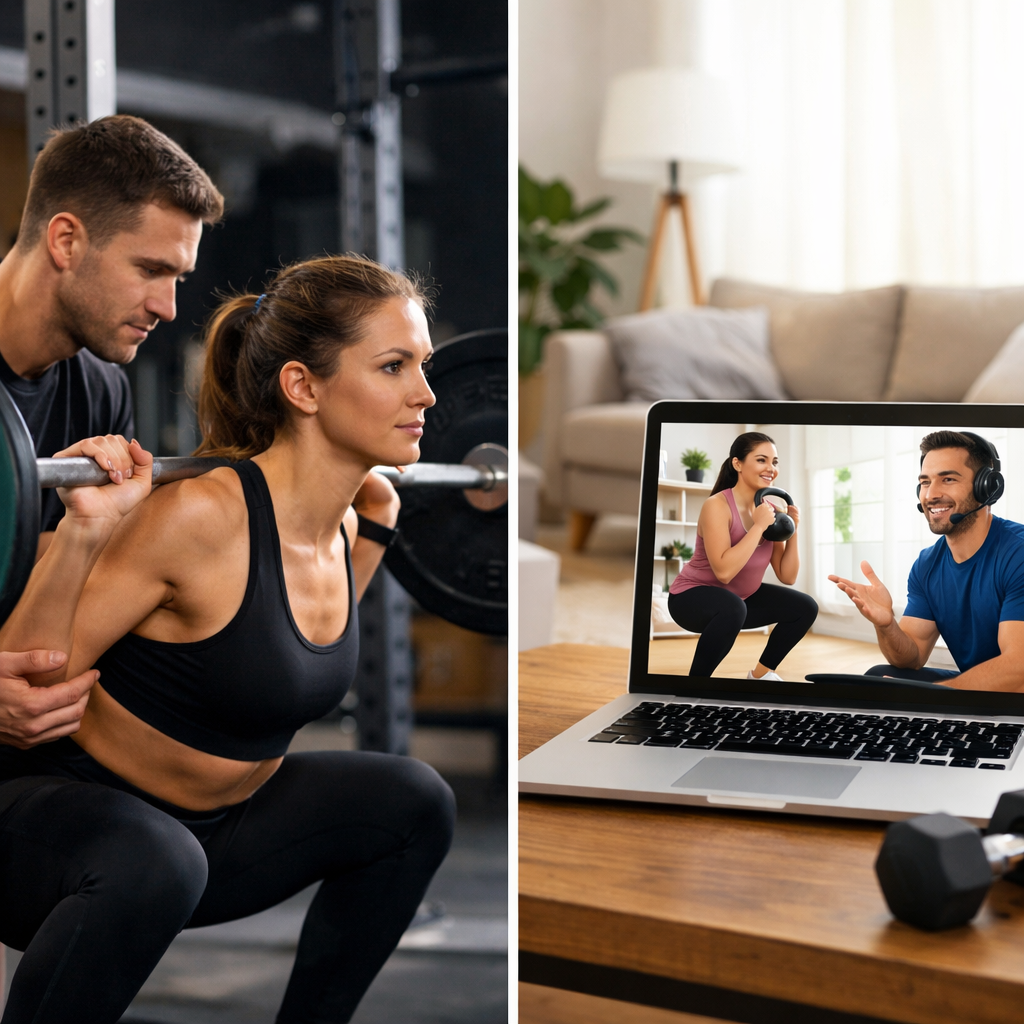
Online vs In Person: Choosing a Strength Training Personal Trainer
Online vs In Person: Choosing a Strength Training Personal Trainer
Choosing the right strength training coach starts with format. Online coaching saves time and expands your options, while in-person sessions sharpen technique with hands-on feedback. A hybrid model blends both. If you want maximum flexibility and lower time cost, online often wins. If you need precise form correction and real-time accountability, in-person excels. Most lifters do best with a hybrid plan: remote programming and check-ins, plus periodic in-gym tune-ups. Use the guide below to match your goals, budget, and schedule to the right coaching format—and protect your money and data along the way.
Fitnessread more
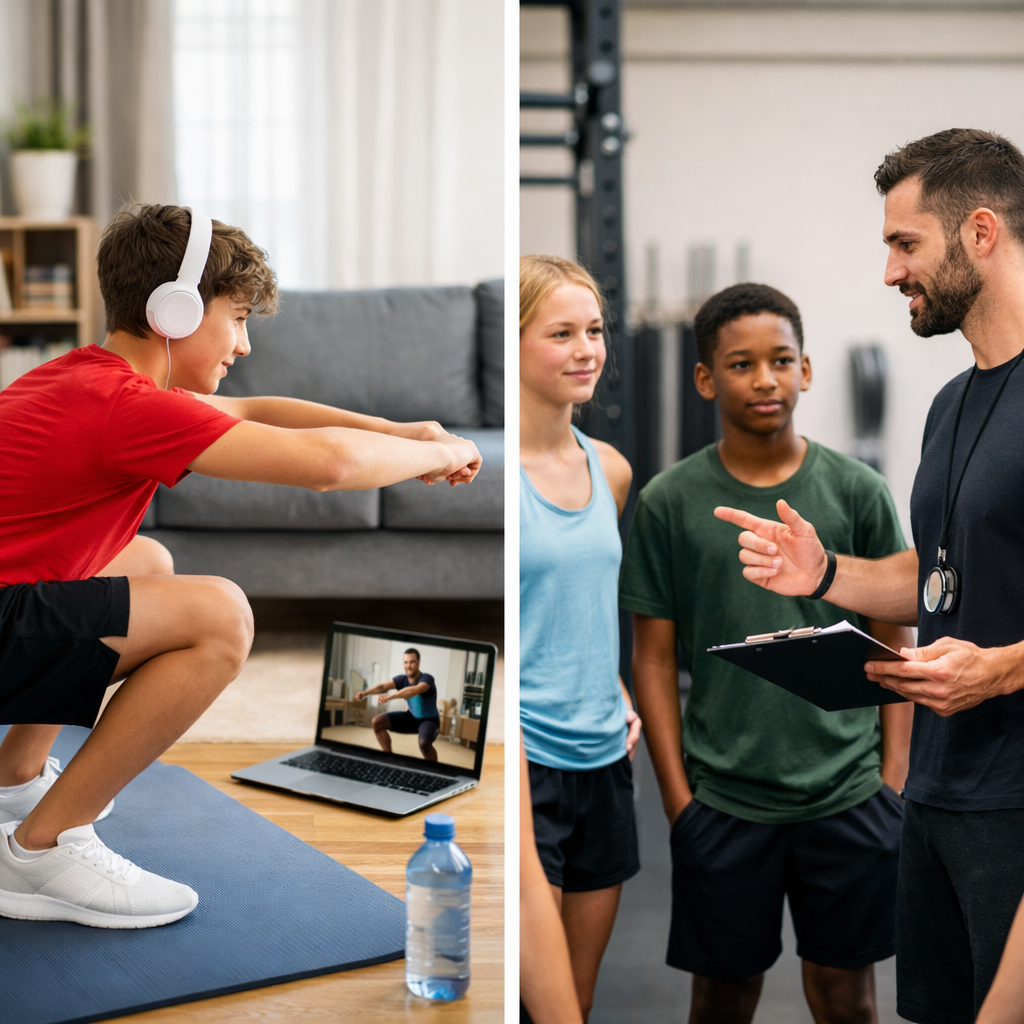
Online vs. In-Person Youth Training Programs: Which Delivers Better Results?
Online vs. In-Person Youth Training Programs: Which Delivers Better Results?
A clear winner depends on age, goals, and the quality of coaching. For most youth athletes, in-person training delivers faster gains in movement quality, speed mechanics, and safe strength progression—especially in grades 3–8—because real-time, hands-on feedback matters. Online options shine for consistency, homework reps, and access when you can’t get to a facility. The strongest path for performance is usually hybrid: in-person coaching for technique and progress checks, supported by tech-enabled, trackable at‑home sessions between visits. This reflects FitnessJudge’s stance from comparing youth systems and aligns with evidence that well-designed, supervised youth strength and conditioning improves strength, power, and motor skills safely, and should be tailored by maturation stage and sport demands, not just chronological age, as emphasized in the NSCA position statement on youth resistance training and the American Academy of Pediatrics.